
- Back
- 21 September 2026
5 Common Installation Mistakes That Can Compromise the Final Result
A good protection product can make a real difference to your vehicle or property, but only when it is installed correctly.
You can choose a high-quality automotive window tint, paint protection film, or ceramic coating, yet still end up with bubbles, lifting edges or an uneven finish if the installation is rushed. In many cases, these problems have less to do with the product and more to do with how the surface was prepared and how the product was applied.
Whether you want to protect a new car, improve your vehicle’s security or reduce the heat entering your home or office, these are five common installation mistakes worth knowing about.
1. Rushing the Preparation
Most installation problems begin before the film or coating is even applied.
The surface needs to be completely clean and free from dust, grease, wax, fingerprints, and other contaminants. It may look clean, but even a small speck of dirt can become very noticeable once it is trapped underneath a clear film.
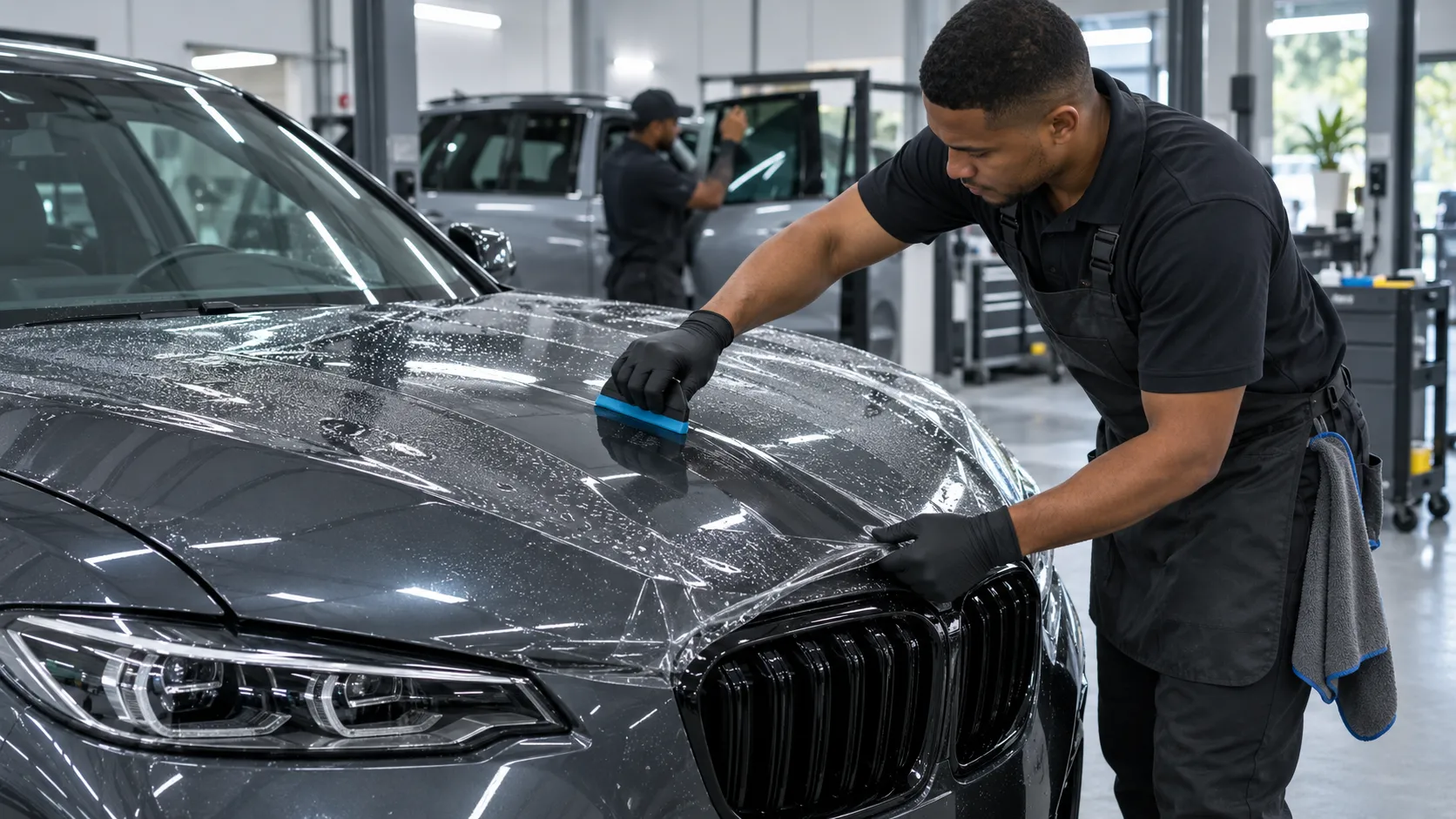
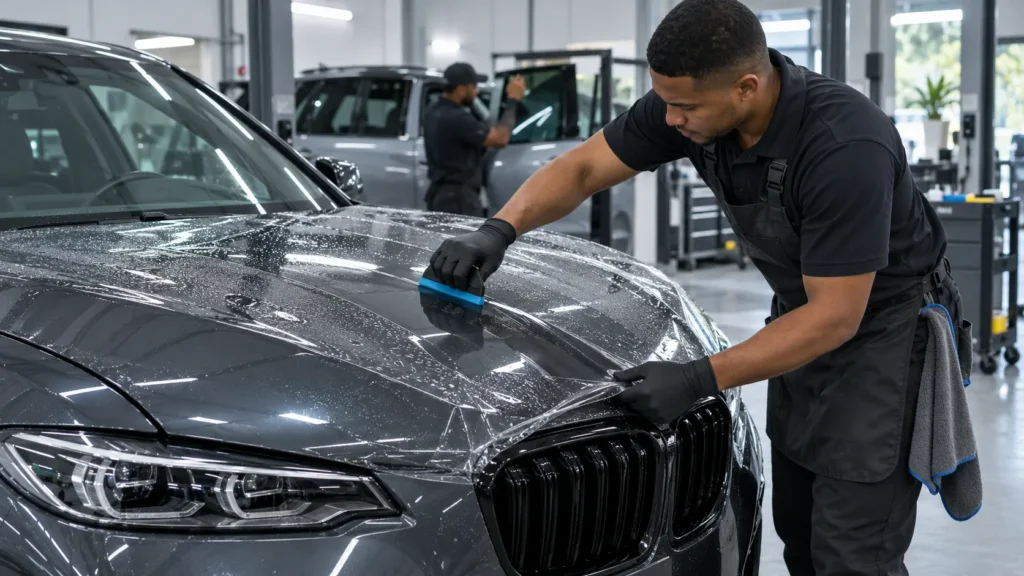
Preparation is especially important when fitting paint protection films. Any dirt underneath it can create a visible bump, while leftover wax or polish may prevent the adhesive from bonding properly.
The same goes for ceramic coatings and other vehicle protective coatings. A coating does not cover scratches, water spots, or paint defects. Instead, it can seal them beneath the surface, making proper paint correction and cleaning essential.
Before installation, the process may include:
- Washing and drying the vehicle or glass.
- Removing tar, iron particles, and other stubborn contaminants.
- Using a clay bar where needed.
- Correcting visible paint defects.
- Degreasing the surface before application.
It may take a little longer, but careful preparation is what helps create a clean, long-lasting result.
2. Working in a Dusty or Unsuitable Space
The environment matters more than many people realise.
Trying to install film outdoors, in strong wind or inside a busy workshop makes it much easier for dust and dirt to become trapped underneath the material. Once that happens, removing the contamination without affecting the film can be difficult.
Temperature also plays a part. When a surface is too cold, the adhesive may struggle to bond. When it is too hot, the film can become overly soft and harder to control. This may cause stretching, distortion or lifting around the edges.
Products such as automotive window tint and smash and grab protection should be installed in a clean, controlled environment. Good lighting is also important, as it allows the installer to spot moisture, dust or alignment issues before the job is completed.
The same applies when fitting window film for buildings. Large windows need careful preparation and suitable conditions to achieve a neat, consistent finish.
3. Choosing the Wrong Product
Not all films and coatings do the same job.
A dark automotive window tint may improve privacy and reduce glare, but it does not automatically provide the same protection as a proper smash and grab safety films. Smash and grab film is made to strengthen the window and help hold broken glass together, giving occupants an extra layer of protection during an attempted break-in or accident.
Likewise, Heat Shield film is designed to reduce the heat and glare entering through a vehicle’s windscreen without making the glass unnecessarily dark. Installing the wrong type of film may affect visibility and comfort.
Homes and commercial buildings also have diverse needs. Some people want to keep rooms cooler, while others are more concerned about glare, privacy, or fading furniture. The right window film for homes should suit the type of glass, the amount of direct sunlight and the look of the property.
Choosing the correct UV protection film is not simply about selecting a shade. A professional installer will consider the glass, the environment and what you want the product to achieve.
4. Stretching or Trimming the Film Incorrectly
Applying film around curves, corners and narrow edges requires a steady hand and a good understanding of how the material behaves.
If paint protection film is stretched too far, it may begin to pull back over time. This is often seen around bumpers, side mirrors, and panels with sharp curves. Too much tension can also affect the clarity of the film or place strain on the adhesive.
Poor alignment can leave parts of the paint exposed or create visible seams. Repeatedly lifting and repositioning the film may also allow dust to enter underneath it.
Trimming needs just as much care. Cutting too close to the vehicle can damage the paint or rubber seals. Leaving too much material around the edges can create untidy sections that collect dirt and eventually begin to lift.
Experienced installers use the right techniques and professional fitting tools to position the film accurately while protecting the surface underneath.
5. Not Allowing Enough Time for the Product to Cure
It can be tempting to wash your car or test your newly tinted windows as soon as the installation is finished. Unfortunately, doing so too soon can affect the result.
Window films need time to dry and bond to the glass. During this period, some moisture or slight haziness may be visible. This often clears naturally and should not be picked at or pressed.
Ceramic coatings and other protective coatings also need time to cure. Rain, harsh cleaning chemicals or washing the vehicle too soon may reduce the coating’s performance.
After an installation, you may be advised to:
- Keep newly tinted windows closed for a few days.
- Avoid washing the vehicle for the recommended period.
- Keep pressure washers away from the edges of PPF.
- Use cleaning products that are safe for films and ceramic coatings.
- Avoid touching, pressing, or picking at the film.
- Contact the installer if marks or bubbles remain after the drying period.
A few days of careful aftercare can help protect your investment for years.
A Better Result Starts with the Right Installer
Films and coatings are there to protect your vehicle or property, but they need to be fitted correctly to do their job.
Apex Auto Shield offers a range of automotive and architectural protection solutions, including automotive window tint, smash and grab protection, paint protection film, Heat Shield film, UV protection film, and vehicle protective coatings. These products can help protect against heat, fading, scratches, stone chips and attempted break-ins while also improving the overall appearance of a vehicle or building.
With operations in Cape Town and Gauteng, and authorised fitment centres across Southern Africa, Apex Auto Shield can help you find a suitable product and a trained installer in your area.
If you are looking for Apex Auto Shield services, car security solutions, automotive detailing protection or window film for your home or office, speak to the team before getting started. The right product matters, but the quality of the installation is what brings it all together.
For more information visit our website: https://apexautoshield.co.za/
Follow us on Facebook: https://www.facebook.com/apexautoshield
Share to: